
Enabling Dynamic Electricity Tariffs: Germany’s Ongoing Smart Meter Rollout
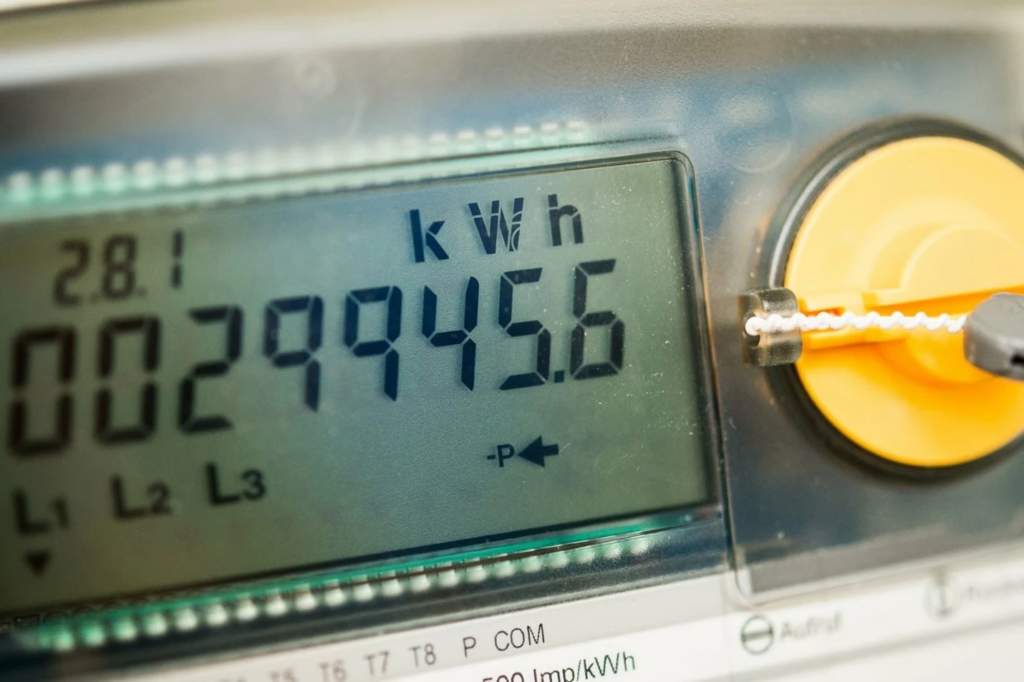
To realize its renewable energy and other climate-related goals, Germany is pursuing digitalization across the energy sector. Smart meters are an integral step toward digitalization and the German government mandated their rollout as a result, beginning in 2025 and set to fully replace analog meters by the end of 2032. Smart metering allows for dynamic electricity tariffs, a practice that enables consumers and suppliers alike to save money while providing other benefits like transparency when commissioning EV charging stations and other projects.
Reducing Administrative, Deployment, and Operational Costs: Sweden’s Smart Meter Roll-Out
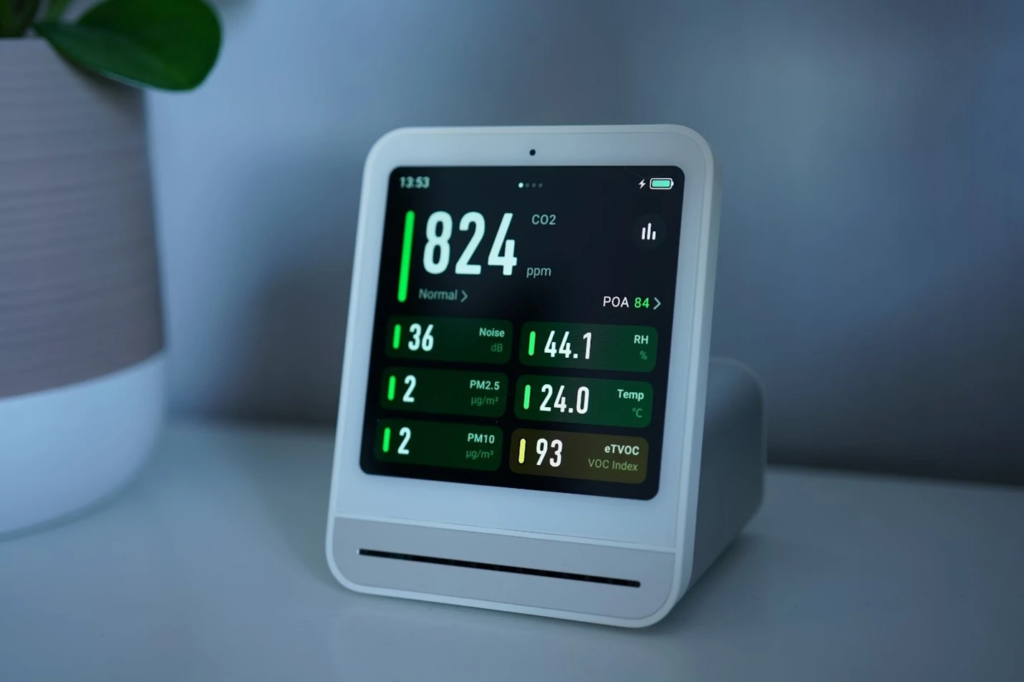
Swedish distribution system operators (DSOs) sought to better allocate costs and reduce the risk of over dimensioning network capacity. To achieve this and comply with legislation adopted in 2003, smart meters were rolled out in Sweden to meet the 2009 legislative deadline. Sweden has demonstrated the pooled procurement reduces deployment costs for smaller DSOs while providing opportunities to exchange resources and expertise, with DSOs achieving further savings from features like remote updating software.
COM/2023/668 and 669: REPowerEU’s Comprehensive Wind Initiatives
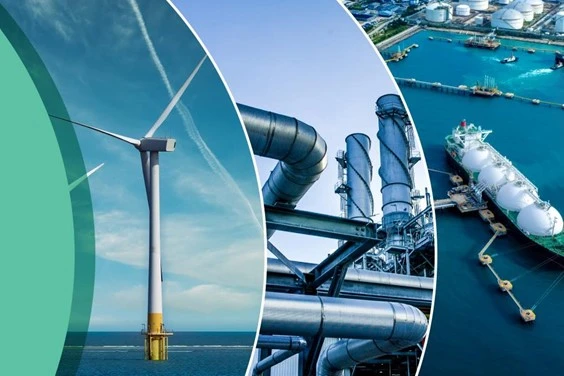
Europe experienced severe gas shortages following Russia’s 2022 invasion of Ukraine which exposed its dependence on Russia to meet its energy needs. REPowerEU is a European Commission program intended to end said dependence with a significant focus on renewables like wind energy, resulting in two wind power initiatives being adopted in October 2023. The initiatives have resulted in auction changes to include pre-qualification and non-price criteria, among other implemented actions, with REPowerEU increasing Europe’s installed wind capacity and annual wind production in addition to reducing CO2 emissions and natural gas consumption.
Improving Renewables’ Economic Viability: Arbitrage in Bulgaria’s Razlog BESS
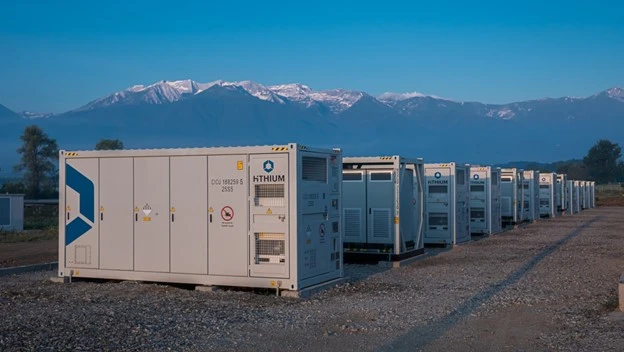
Renewables like the photovoltaic plant in Razlog, Bulgaria require frequency control due to fluctuations in output. To provide this service while enhancing the project’s economic viability via arbitrage, a 55 MWh BESS was co-located with the plant in 2024 by Renalfa IPP. This project marked the first utility-scale BESS in Bulgaria and set a regional precedent as Renalfa introduces BESSs in other countries and with its other renewable plants.
The First Renewable-Powered Island: Community Ownership on Samsø
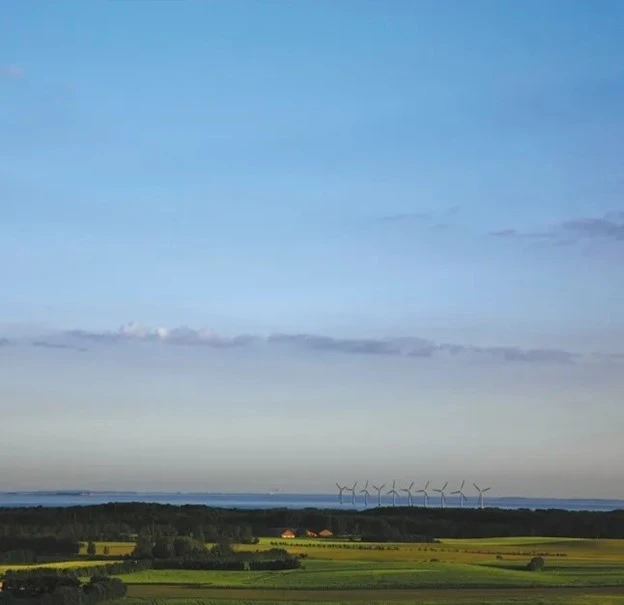
Renewables like wind are integral to reducing CO2 emissions, however, the impacts of turbines often limit public buy-in. Following a 1997 contest, the Danish island of Samsø has become the world’s first island powered only by renewable energy, primarily through 20 community-owned wind turbines. Boasting an annual carbon footprint of negative 12 tons per capita, the island has demonstrated that community ownership and meaningful consultation surrounding the turbines’ location builds support for renewable energy projects.
How EVs Can Prevent Blackouts: Vehicle-to-Grid (V2G) Technology
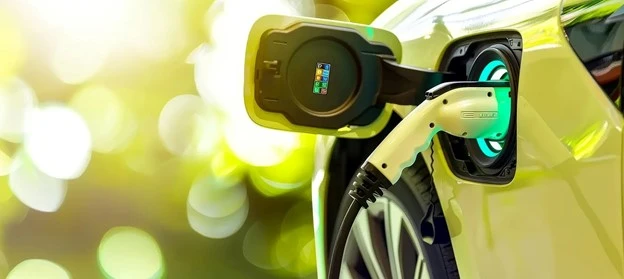
As renewables have grown in popularity, solutions to store energy during peak production and offload it during peak demand have become necessary. Vehicle-to-grid (V2G) technology is one avenue to achieve this, as it enables electric vehicles (EVs) to connect their batteries to the energy grid with bidirectional charging. The technology has grown and improved rapidly, demonstrating that it can reduce EV ownership costs by selling electricity when prices are high and prevent potential blackouts without fossil fuel power plants.
High Voltage Direct Current: Connecting Remote Wind Farms to Land and Morocco to the UK
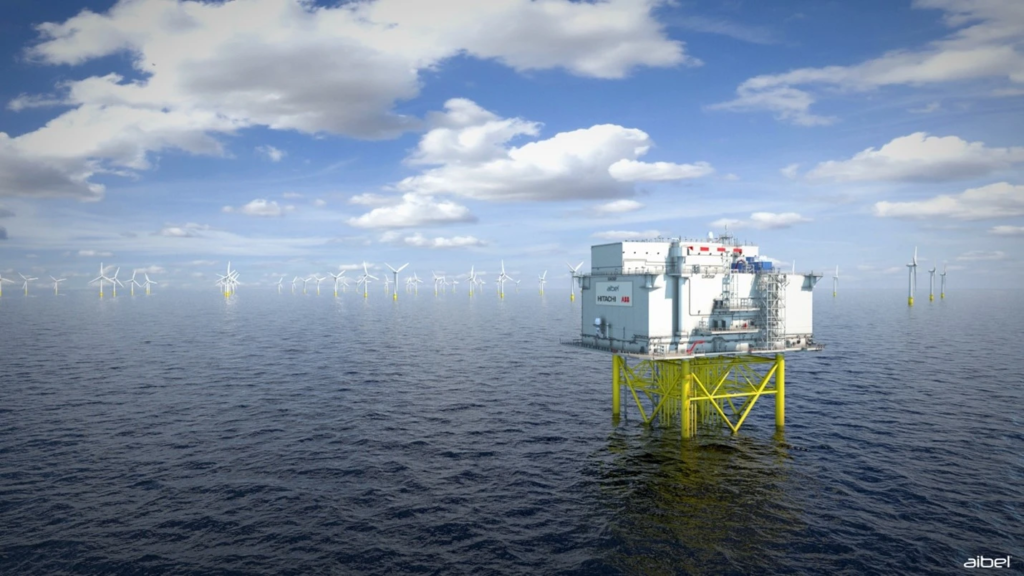
While renewable energy sources fail to output electricity consistently, Alternating Current (AC) fails to efficiently transmit electricity across long distances. High Voltage Direct Current (HVDC) overcomes these issues in enabling efficient transmission from remote offshore wind farms and in facilitating international interconnections that exploit regions with different weather patterns. The Morocco-UK interconnection will provide enough electricity to power 7 million British homes, with other UK-based HVDC projects like Dogger Bank and Hornsea Project Two offering multi-gigawatt capacities.
Marine Monitoring Powered by AI & Machine Learning: Seiche and Deep Vision’s Partnership
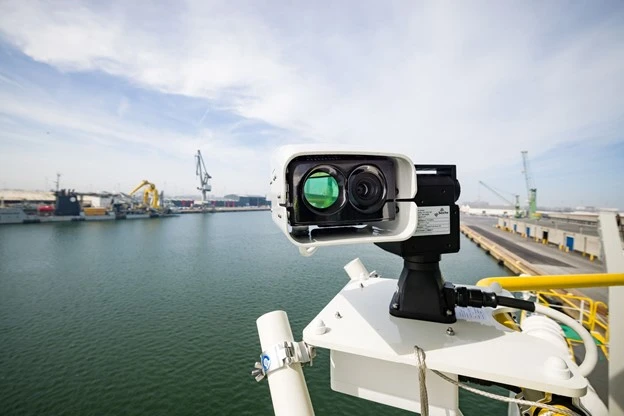
Integral for minimizing the impact of offshore wind farms on marine life, traditional marine monitoring is a costly and delayed process carried out by divers and laboratory analysis. To decrease the cost and delays associated with the practice, companies like Seiche and Deep Vision are developing tools based on machine learning and artificial intelligence. Their current partnership is expected to produce an autonomous camera system capable of detecting, locating, and quantifying marine mammals in all weather conditions, at and above surface level.
France’s Investment in Wind Energy: The Multiannual Energy Program’s Third Edition
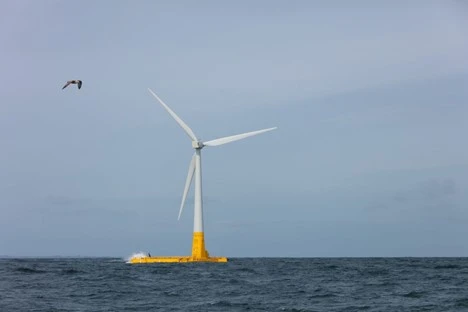
Europe’s dependence on Russian fossil fuels was exposed by the gas shortages which followed Russia’s 2022 invasion of Ukraine. To minimize the risk associated with this dependency in the face of delays and cost overruns in the construction of new nuclear reactors, France has ramped up investment in wind energy in accordance with the third edition of its Multiannual Energy Program (PPE3). While France is currently home to 1.5 GW of offshore wind energy, that capacity is expected to rise to 18 GW by 2035 and 45 GW by 2050.
Greece’s Financial Incentives for Energy Storage Deployment
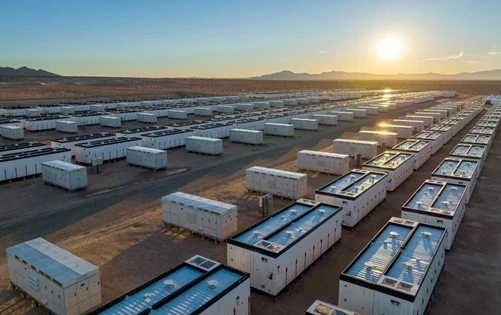
As Greece has invested significantly in renewables, the amount of energy curtailed has risen dramatically due to insufficient energy storage. To combat this and preserve producer revenue, Greece’s Regulatory Authority for Energy, Waste, and Water (RAAEY) launched a program in 2023 to allocate 1 GW of new, subsidized energy storage capacity in three competitive auction rounds. It has resulted in 900 MW of battery storage capacity being allocated and been followed by two other programs supporting battery storage in Greece.